
Frequently Asked Questions
How hard is the biking?
Each trip description includes a rating that reflects the expected overall level of physical effort. This rating is based primarily on terrain rather than total mileage. On most trips—excluding those designated as challenging—daily mileage typically ranges from 25 to 45 miles, depending on the availability of suitable overnight locations. Some trips place greater emphasis on physical or outdoor activities, while others focus more on touring and sightseeing, so participants should consider their preferences for non-cycling days when selecting a trip.
By the start of the trip, participants should be able to ride approximately seven miles in one hour over rolling terrain while carrying about 20 pounds on their bicycle. While extensive training is not required, additional preparation will make the early portion of the trip more comfortable and enjoyable.
How much money should I bring?
Participants should bring personal spending money for items such as postcards, stamps, paid showers, snacks, and souvenirs. For trips within the United States and Canada, we recommend budgeting approximately $100–$200 per week. For many trippers, this is their first experience managing personal spending money and budgeting independently over an extended period.
This responsibility creates a valuable learning opportunity, particularly for those who encounter challenges and experience the consequences of budgeting missteps. Because participants’ essential needs are covered by funds managed by the trip leaders, these lessons take place in a safe and supportive environment. The basic trip cost includes food, accommodations, scheduled activities, laundry, leadership, hostel membership when required, and the use of group equipment such as cooking supplies, tents, bicycle repair tools, and first aid kits.
What kind of food will I eat?
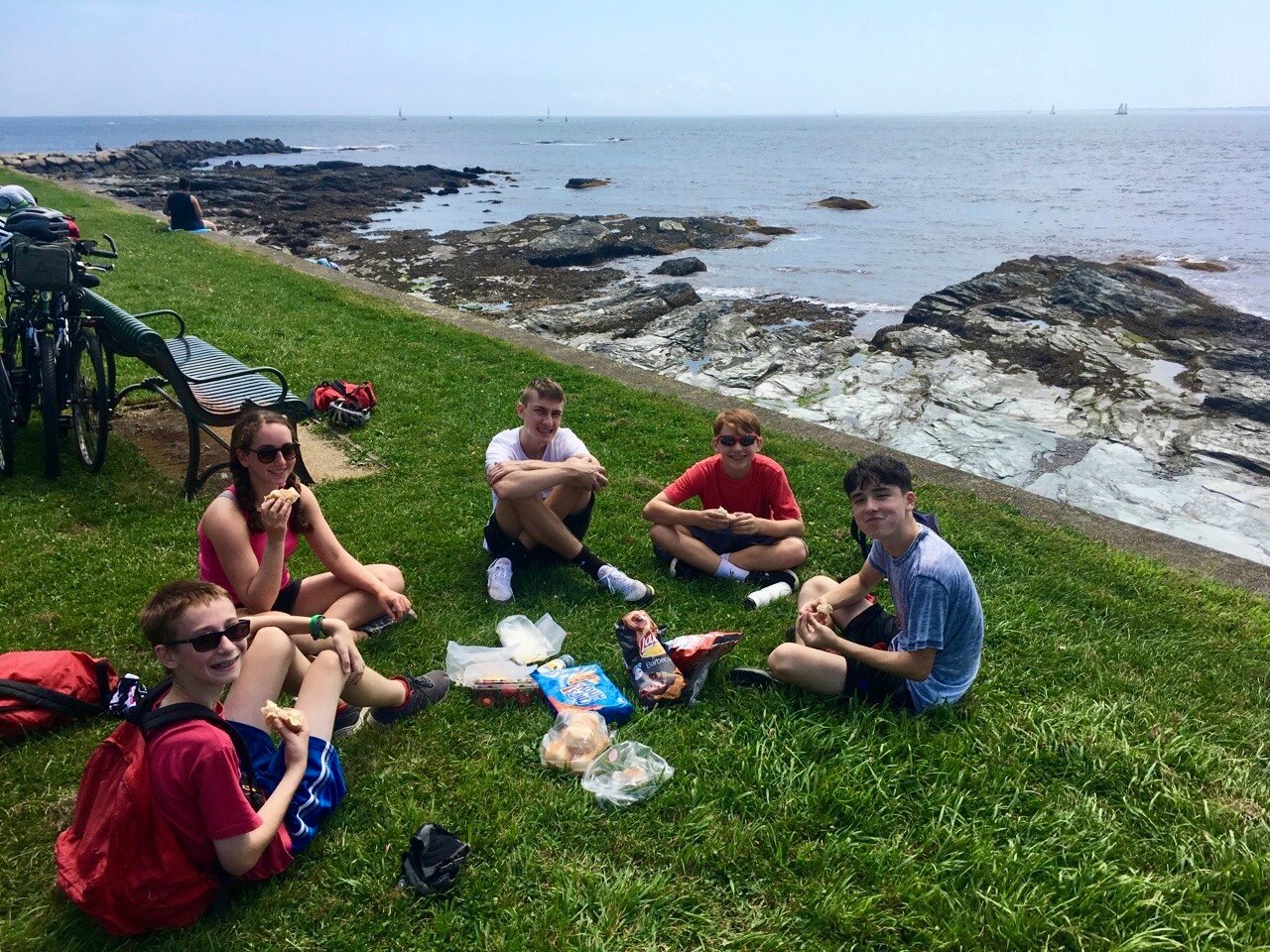
Breakfasts, lunches, and dinners are included in the trip cost. Participants may use their personal spending money to purchase additional snacks at stores or campsites along the route. Groups prepare their own meals and shop at grocery stores along the way, with participants rotating through cooking committee responsibilities. Each cooking committee is required to stay within the daily food budget when purchasing meals for the group.
With the exception of standard desserts, group food funds are not used to purchase junk food. While food choices may be more limited than those at home, leaders ensure that meals are nutritious, satisfying, and simple to prepare. Participants with special dietary needs can usually be accommodated.
Do I have to know how to repair my own bike?
No. Your bicycle must be properly fitted to you and should be inspected by a local bike shop shortly before the trip. When you arrive at SHP, your bike will be checked again to ensure it was not damaged during transport. Our leaders are trained in basic bicycle maintenance and are responsible for handling repairs throughout the trip. Participants may also learn basic repair skills by assisting their leaders during the journey.